
Starting an Indoor Herb Garden
Last updated: July 11, 2026
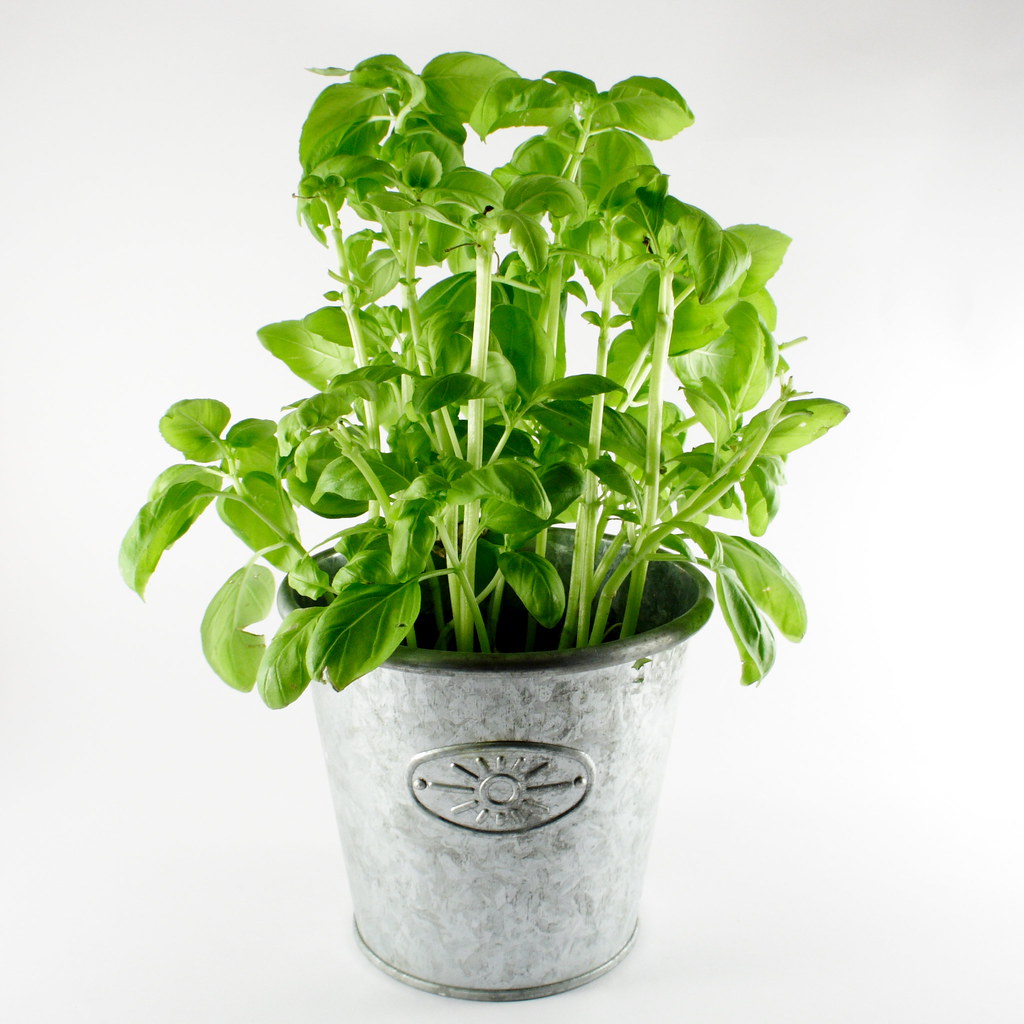
Photo by futureshape, licensed under CC BY 2.0
An indoor herb garden is the easiest, cheapest, and most immediately rewarding way to get into indoor growing. Fresh basil, mint, or chives a few steps from the stove is genuinely useful, and unlike a full tent setup, you can start with nothing more than a sunny windowsill and a few pots.
Which Herbs Actually Do Well Indoors
Not every herb is equally suited to indoor life. Some good starting choices:
- Basil — fast-growing and forgiving, but wants a lot of light; one of the first to get leggy if light is weak.
- Mint — nearly impossible to kill indoors, and actually benefits from being contained in a pot rather than let loose in a garden bed where it spreads aggressively.
- Chives — tolerant of lower light than basil, and regrows quickly after cutting.
- Thyme and rosemary — slower growing but very tolerant of drying out between waterings, which suits inconsistent indoor watering schedules.
- Parsley — reliable, but slow to germinate from seed; starting from a small nursery plant saves weeks.
Cilantro and dill are trickier indoors — they tend to bolt (flower and go to seed early) under indoor conditions, so treat them as more of an intermediate project once you're comfortable with the basics.
Herb Quick Reference
| Herb | Light needs | Difficulty indoors |
|---|---|---|
| Mint | Moderate | Very easy |
| Chives | Low to moderate | Easy |
| Thyme / rosemary | Moderate to high | Easy (tolerates dry spells) |
| Basil | High | Moderate (light-hungry) |
| Parsley | Moderate | Moderate (slow from seed) |
| Cilantro / dill | High | Harder (bolts easily indoors) |
Light Is the Limiting Factor
The single biggest reason indoor herb gardens fail isn't watering — it's light. Most culinary herbs want the indoor equivalent of 6+ hours of strong, direct sun, and a "bright" windowsill often delivers far less than growers assume, especially in winter or in north-facing rooms. The telltale sign of insufficient light is legginess: long, thin, weak stems stretching toward the nearest light source, with sparse leaves.
If your windowsill isn't cutting it, a small grow light solves the problem completely and removes the guesswork. The AeroGarden Harvest is the most popular all-in-one option for a reason — the timer-driven LED light and aerating water pump handle the two things beginners get wrong most (inconsistent light and inconsistent watering), at the cost of being limited to six plants and needing its refill pods or nutrient solution topped up every week or two. If you'd rather use your own pots, a simple LED grow light clipped or mounted above a windowsill shelf works just as well for less money.
Pots, Drainage, and Soil
Whatever container you use, drainage is non-negotiable — herbs in a pot with no drainage hole are far more likely to develop root rot from water sitting at the bottom. Use a well-draining Miracle-Gro Indoor Potting Mix rather than garden soil, which compacts too densely for a container and drains poorly indoors — Miracle-Gro's indoor mix skips the bark and compost that regular potting soil uses, which also happens to make it less inviting to fungus gnats.
Watering: Less Often Than You Think
Overwatering is the second most common herb-killer after insufficient light. Most herbs prefer the top inch of soil to dry out between waterings rather than staying constantly moist. Stick a finger into the soil before watering — if it's still damp an inch down, wait another day. An XLUX T10 soil moisture meter takes the guesswork out of this if you tend to either forget to water or water on a fixed schedule regardless of what the plant needs — it needs no batteries and just gives a color-coded dry/moist/wet reading, which is honestly all a kitchen herb pot needs.
Starting From Seed vs. Buying Small Plants
Seeds are cheaper and give you more variety, but they add weeks of waiting and a step where a lot can go wrong (damping off, uneven germination, seedlings that get leggy immediately if light is weak). For a first indoor herb garden, buying small starter plants from a nursery or grocery store and transplanting them into a slightly bigger pot is the faster, more forgiving path. Once you're comfortable with watering and light, move on to starting basil or parsley from seed using a Jump Start seedling heat mat, tray, and dome kit, which keeps young seedlings warm and humid while they establish roots — the gentle 10-20°F bump in soil temperature from the heat mat noticeably speeds up germination for slow starters like parsley.
Pruning Keeps Herbs Productive
Regular light harvesting is good for most herbs — cutting the top inch or two of a basil stem, for example, encourages it to branch out and produce more leaves rather than growing one tall, single stalk. A small pair of Fiskars Micro-Tip pruning snips makes clean cuts that heal faster than tearing leaves off by hand — the spring-action handles and precision tips are worth it if you're pruning several small pots regularly, since it's noticeably less hand fatigue than a full-size pair of shears.
A Realistic First Setup
If you want the simplest possible starting point: two or three 4-6 inch pots with drainage holes, a well-draining potting mix, small basil, mint, and chive starter plants, and either your brightest window or a basic grow light if that window isn't delivering enough light. That's a complete, functional indoor herb garden — everything beyond that (hydroponic herb systems, larger setups, seed starting) is an upgrade you can add once the basics are working.
Frequently Asked Questions
Which herbs are easiest to grow indoors for beginners?
Mint, chives, and thyme are the most forgiving — mint is nearly impossible to kill, and chives and thyme tolerate lower light and inconsistent watering better than basil does.
Why does my indoor basil keep getting leggy?
Legginess (long, thin stems reaching for light) is almost always a light problem, not a watering problem. Most culinary herbs want the indoor equivalent of 6+ hours of strong light; a "bright" windowsill often delivers less than that.
How often should I water indoor herbs?
Less often than most people assume. Let the top inch of soil dry out between waterings — overwatering is the second most common way indoor herbs die, right behind insufficient light.
Do I need a grow light for an indoor herb garden?
Not always, but if your windowsill isn't bright enough (common in winter or north-facing rooms), a small dedicated grow light removes the guesswork and is often the single highest-impact upgrade you can make.
Should I start herbs from seed or buy small plants?
For a first indoor herb garden, buying small starter plants is faster and more forgiving. Seeds are cheaper and offer more variety, but add weeks of waiting and more chances for something to go wrong.