
Best Vegetables to Grow Indoors Year-Round
Last updated: July 11, 2026
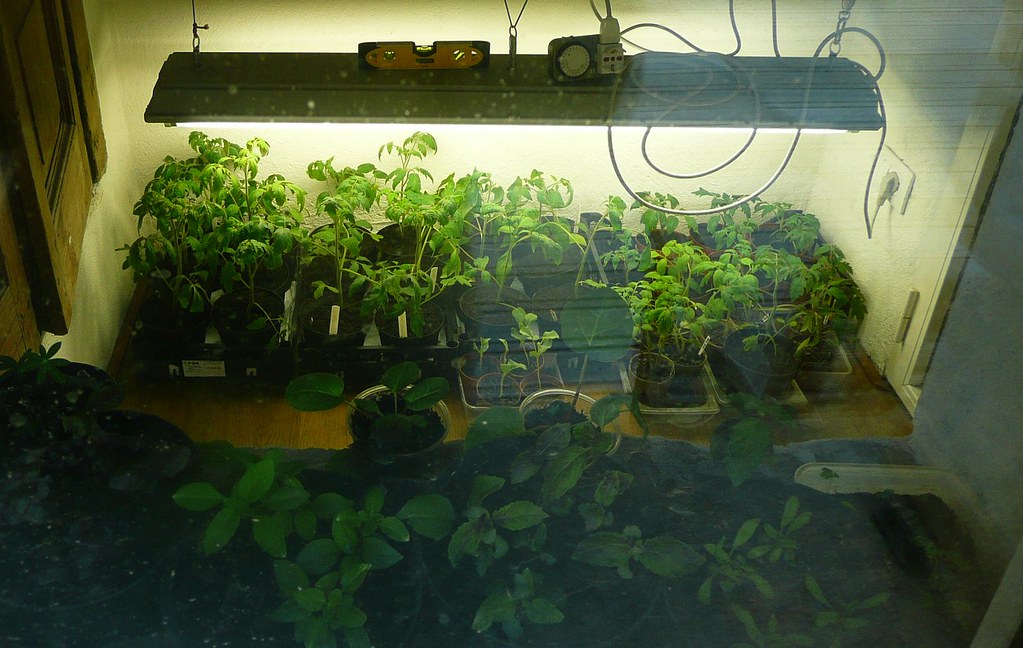
Photo by cristina.sanvito, licensed under CC BY 2.0
Herbs get most of the attention in indoor gardening, but a surprising number of actual vegetables do well indoors too — some without any grow light at all, and others with nothing more than a basic LED setup. The trick is picking vegetables that are naturally compact, fast-maturing, or shallow-rooted, since those are the traits that make a plant tolerate a pot and a windowsill instead of a full garden bed.
The Easiest Tier: Start Here
These are the vegetables most likely to succeed on a first attempt, even with average light:
- Leafy greens (spinach, lettuce, kale, arugula) — fast-growing, shallow-rooted, and tolerant of the lower light levels a windowsill provides. Many can be harvested "cut and come again," snipping outer leaves while the plant keeps producing.
- Microgreens — technically vegetable seedlings harvested young, microgreens are about as close to foolproof as indoor growing gets. No pot depth or grow light needed for most varieties, and they're ready to harvest in 7-14 days.
- Radishes — one of the few root vegetables that actually works well in a container, since they mature in as little as 25-30 days and don't need much depth.
- Green onions and scallions — can be regrown indefinitely from kitchen scraps: place the root end in a shallow glass of water, and new green shoots appear within days.
At a Glance: Light Needs and Time to Harvest
| Vegetable | Light needed | Typical time to harvest |
|---|---|---|
| Microgreens | Windowsill / low | 7-14 days |
| Radishes | Windowsill / low | 25-30 days |
| Leafy greens (lettuce, spinach, kale, arugula) | Windowsill / moderate | 3-6 weeks (cut and come again) |
| Green onions / scallions | Windowsill / low | Days (regrown from scraps) |
| Bush beans | Grow light recommended | 7-8 weeks |
| Peppers | Grow light required | 2-3 months to first fruit |
| Cherry/dwarf tomatoes | Grow light required | 2-3 months to first fruit |
The Next Tier: Needs a Real Grow Light
These vegetables can be grown indoors year-round, but they're more light-hungry and benefit noticeably from a dedicated grow light rather than a windowsill:
- Cherry and dwarf tomato varieties — full-size tomato plants are impractical indoors, but compact or "patio" varieties bred specifically for containers can fruit indoors under a strong light. Expect to hand-pollinate by gently shaking the plant or brushing flowers with a small brush, since there are no bees indoors to do it for you.
- Peppers (hot and sweet) — naturally compact, tolerant of container life, and often available in dwarf varieties bred for windowsill growing.
- Bush-variety beans — compact, don't need a trellis the way pole beans do, and produce reasonably well in a 5-gallon-equivalent container under strong light.
Light is the real limiting factor: almost every "vegetables don't grow well indoors" complaint traces back to insufficient light, not soil or watering. Fruiting vegetables (tomatoes, peppers) in particular need considerably more light than leafy greens or herbs — a Spider Farmer SF-4000 LED grow light run for 14-16 hours a day is close to a requirement, not a nice-to-have, for anything that needs to flower and fruit; its even coverage across a 4x4 area matters here more than with leafy greens, since a fruiting tomato plant that only gets strong light on one side tends to grow lopsided and produce unevenly.
Getting Started
If you're new to growing vegetables indoors, the Survival Garden Seeds 20-variety vegetable starter collection is a low-risk way to try several of the easiest options — lettuce, radish, and a leafy green or two — in the same growing cycle. The seeds are heirloom and open-pollinated, which is a nice bonus if you end up wanting to save seed from whatever performs best in your space, so you can see what does best before committing pots and a grow light to a single crop.
Watering Consistency Matters More Indoors
Container-grown vegetables dry out faster than the same plant in garden soil, and they can't send roots deeper to find water the way an in-ground plant can. An XLUX T10 soil moisture meter takes the guesswork out of watering vegetables specifically, since inconsistent watering is one of the most common causes of bitter lettuce, split tomatoes, and stunted root vegetables. Pairing your containers with a Gardenix Decor self-watering planter also helps smooth out the swings between bone-dry and soaked that vegetables tolerate far worse than most houseplants do — the built-in reservoir is especially useful for tomatoes, since inconsistent water is also what causes fruit to split near harvest.
Rotating Crops for a True Year-Round Harvest
The "year-round" part of indoor vegetable gardening comes from succession planting rather than any single long-lived plant. Sow a new tray of lettuce or radish seeds every one to two weeks, and by the time your first tray is harvested, the next is already partway through its cycle. This staggered approach keeps a steady, small harvest coming in instead of one large harvest followed by empty pots for a month.
A Realistic Starting Combination
If you only try one combination to start, a windowsill tray of cut-and-come-again lettuce plus a regrowing jar of green onions requires no grow light, almost no maintenance, and gives you a genuine, repeatable sense of what "growing your own food indoors" actually feels like before you invest in lights and containers for anything more ambitious.
Frequently Asked Questions
What vegetables grow best indoors without a grow light?
Leafy greens (spinach, lettuce, kale, arugula), microgreens, radishes, and green onions regrown from scraps all do reasonably well with just good windowsill light.
Can you really grow tomatoes indoors year-round?
Yes, but stick to compact or "patio" dwarf varieties bred for containers, grown under a strong dedicated grow light, and be ready to hand-pollinate by gently shaking the plant since there are no bees indoors.
How do I get a continuous vegetable harvest indoors instead of one big batch?
Use succession planting — sow a new tray of lettuce or radish seeds every one to two weeks so a new batch is partway through its cycle by the time the previous one is harvested.
Why aren't my indoor vegetables producing much?
Almost always insufficient light. Fruiting vegetables like tomatoes and peppers need considerably more light than leafy greens or herbs, often close to 14-16 hours a day under a dedicated grow light.
Do container vegetables need different watering than in-ground vegetables?
Yes — container-grown vegetables dry out faster and can't send roots deeper for water the way in-ground plants can, so consistent watering matters more, not less, indoors.