
Seed Starting Guide for Beginners
Last updated: July 11, 2026
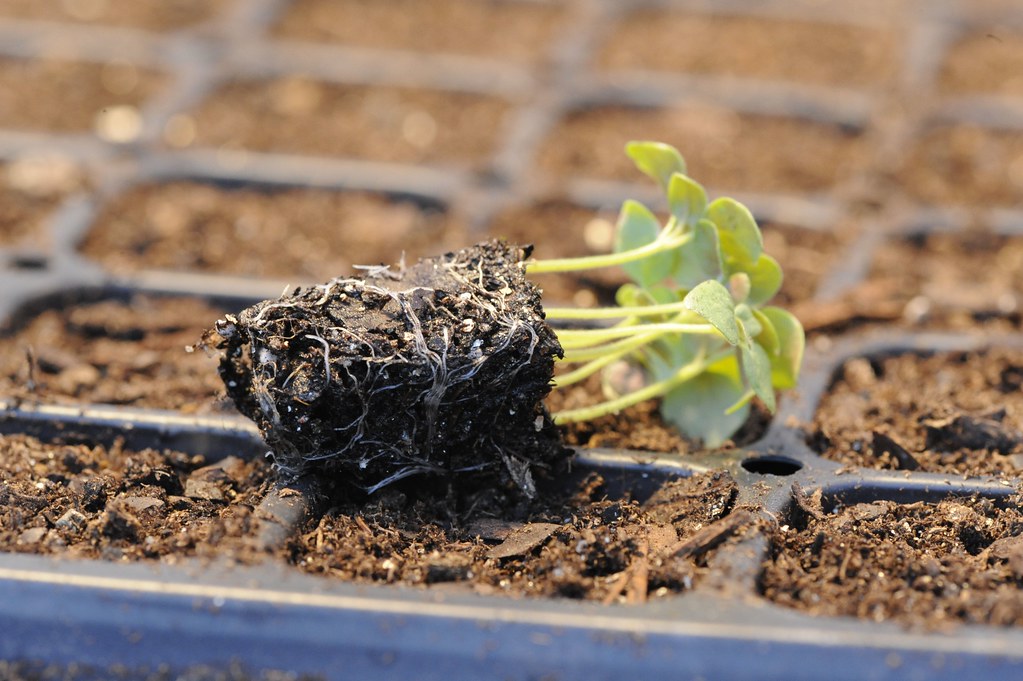
Photo by photofarmer, licensed under CC BY 2.0
Most seed starting failures aren't a seed problem — they're a setup problem. Seeds that never sprout, or seedlings that sprout thin and pale before flopping over, usually trace back to one of three things: the wrong growing medium, inconsistent moisture, or not enough light once they're up. None of those require expensive gear to fix, just a setup that gets the basics right from day one.
Start With the Right Medium — Not Potting Soil
Regular potting mix is too dense and nutrient-heavy for germinating seeds, and it often holds too much water for a seedling's tiny root system. The Espoma Organic Seed Starter is lighter, drains better, and — critically — is free of the pathogens and fungus gnat eggs that regular potting soil can carry, both of which disproportionately affect delicate new seedlings. It also includes a mycorrhizae blend that's meant to help roots establish faster, though the main reason to reach for a dedicated starting mix is still the light, sterile texture rather than any one additive.
Sowing Depth and Spacing
A simple rule of thumb covers most seeds: plant at a depth roughly twice the seed's width. Very fine seeds (like lettuce or basil) often need barely any covering at all — sometimes just a light press into the surface, since they need some light exposure to germinate. Check the seed packet if you're unsure; it's the single most reliable source for a specific variety's depth and spacing.
Humidity: The Step Most Beginners Skip
Germinating seeds want a consistently moist, humid environment — much more humid than you'd keep an established plant. The Jump Start seedling heat mat, tray, and dome kit bundles the vented dome, tray, and bottom heat together instead of making you piece all three together separately, and the dome is doing real work here: it traps moisture around the seeds so the surface doesn't dry out between waterings, which is one of the most common reasons seeds fail to germinate at all. Vent the dome slightly once you see the first sprouts, and remove it entirely within a few days of most seeds emerging — leaving it on too long invites mold and weak, soft growth.
Bottom heat speeds things up: most vegetable and herb seeds germinate fastest in soil that's a few degrees warmer than typical room temperature — often in the 70-80°F (21-27°C) range. A heat mat placed under the tray, included with most seed starting tray kits, can cut germination time noticeably compared to a cool windowsill.
Watering Without Disturbing Tiny Seeds
Pouring water directly onto a tray of just-planted seeds easily displaces them before they've rooted. Bottom watering — setting the tray in a shallow pool of water and letting the mix absorb moisture from below — keeps the surface undisturbed while still reaching the roots. Once seedlings have a couple of true leaves and a more established root system, top watering becomes safe again.
Light: The Point Where Most Seedlings Go Wrong
A sunny windowsill is rarely bright enough on its own, especially in winter or in a north-facing room. Seedlings stretching upward with long, thin, pale stems — a condition called "legginess" — are almost always reaching for light that isn't there. Two fixes matter most:
- Get the light close. The iPower 2 ft T5 fluorescent grow light stand has adjustable height rungs built in, so "raise it gradually as they grow" is a real adjustment you make in seconds instead of something you have to rig with books or clamps under a full-size grow light that's usually too intense for tiny seedlings anyway.
- Give them a dark period. Seedlings still need 12-16 hours of light per day, not 24 — a consistent light/dark cycle supports stronger, more normal growth than constant light.
Hardening Off Before a Move Outdoors
If any of your seedlings are eventually headed outside (rather than staying in an indoor setup permanently), don't move them straight from indoor conditions into full sun and outdoor wind. Gradually introduce them to outdoor conditions over 7-10 days — a couple of hours in a shaded, sheltered spot at first, gradually increasing sun exposure and time outside — to avoid shocking and stunting the transplants. Seedlings staying in an indoor setup permanently can skip this step entirely.
Transplanting Up
Once seedlings have two or three sets of true leaves (the second set of leaves that emerge, distinct from the rounder initial "seed leaves") and roots are visible at the drainage holes, they're ready to move into a larger container with regular potting mix. Handle seedlings by their leaves, never their stems — a damaged leaf grows back, a crushed stem usually doesn't.
Seed Starting Troubleshooting Chart
| Problem | Most likely cause |
|---|---|
| Nothing sprouts after 2+ weeks | Planted too deep, medium too dense/wet, or old/expired seed |
| Seedlings collapse suddenly at the soil line ("damping off") | Overly wet, poorly ventilated medium encouraging fungal growth |
| Tall, thin, pale, falling-over seedlings | Not enough light, or light too far away |
| Seeds float or wash to one side of the tray | Watered from the top instead of bottom watering |
| Mold on the soil surface | Humidity dome left on too long after germination |
Seed starting rewards patience and consistency far more than fancy equipment. Get the medium, moisture, and light right, and the vast majority of common vegetable and herb seeds will do the rest on their own.
Frequently Asked Questions
Why aren't my seeds germinating?
The most common culprits are the wrong growing medium (regular potting soil is too dense), inconsistent moisture, or seeds planted too deep for their size — check the seed packet for exact depth.
Should I water seed trays from the top or bottom?
Bottom water whenever possible. Pouring water directly on a tray of just-planted seeds easily displaces them before they've rooted; setting the tray in a shallow pool lets the mix absorb moisture without disturbing the surface.
Why are my seedlings tall, thin, and falling over?
That's legginess, and it's almost always a light problem. Seedlings need a light source close and bright enough that they don't have to stretch to reach it.
Do seedlings need light 24 hours a day?
No — 12-16 hours of light per day with a real dark period supports stronger, more normal growth than constant light.
When are seedlings ready to transplant into a bigger pot?
Once they have two or three sets of true leaves and roots are visible at the drainage holes. Handle them by their leaves, never their stems, since a damaged leaf grows back but a crushed stem usually doesn't.