
Choosing a Grow Medium: Soil vs. Coco Coir vs. Rockwool
Last updated: July 11, 2026
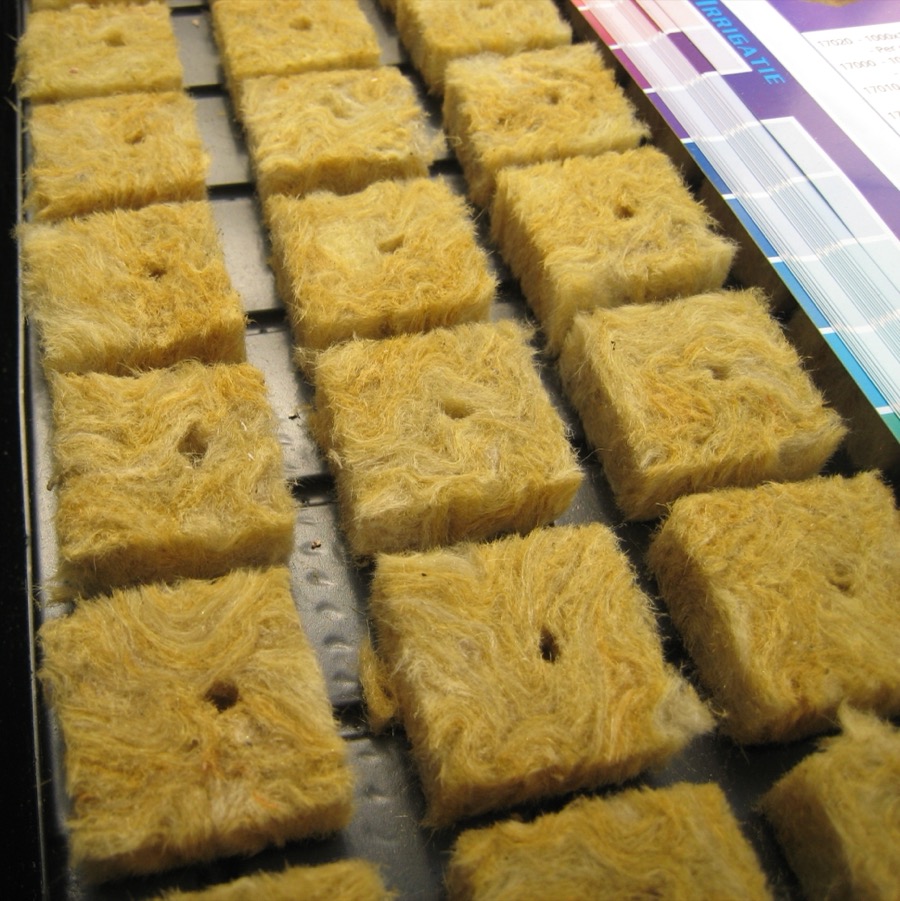
Photo by D-Kuru, licensed under CC BY-SA 3.0
The growing medium is the one decision that shapes almost every other choice you'll make — how often you water, what nutrients you need, how forgiving mistakes are, and how much daily attention the setup demands. None of the three main options is objectively "best"; each trades convenience for control in a different way.
Soil: The Forgiving Default
Soil (or a quality soilless potting mix) is where almost every indoor grower starts, and for good reason. It naturally buffers pH swings, holds onto nutrients between feedings, and tolerates inconsistent watering better than either alternative below.
- Pros: forgiving of mistakes, works with plain water and minimal added nutrients if the mix is already nutrient-rich, familiar to anyone who's gardened outdoors.
- Cons: can harbor fungus gnats and other pests, heavier and messier than the alternatives, and slower-draining if overwatered, which is one of the most common indoor growing mistakes.
Miracle-Gro Indoor Potting Mix is the simplest starting point for almost any indoor vegetable, herb, or houseplant. It's formulated without bark or compost, which are the ingredients fungus gnats are most drawn to breed in — a small thing, but it's the most common early complaint from first-time indoor growers, so starting with a mix that avoids it is worth the modest price premium over generic potting soil.
Coco Coir: A Middle Ground
Made from processed coconut husk fibers, coco coir behaves a bit like soil but drains faster and holds more oxygen around the roots. It's become popular as a step up from soil for growers who want more control without jumping straight into a fully soilless hydroponic setup.
- Pros: excellent aeration for root growth, renewable and more sustainable than some soil-based mixes, reusable for a cycle or two if rinsed and treated between uses.
- Cons: holds almost no nutrients on its own, so it needs a consistent feeding schedule from day one — there's no buffer the way there is with soil. Coco also naturally binds calcium and magnesium, so deficiencies in those two nutrients are more common in coco than in soil.
General Hydroponics CocoTek coco coir usually comes as a compressed brick that expands significantly once rehydrated with water — always rehydrate outside your final container, since a dry brick expands to several times its compressed size. CocoTek in particular blends coir fiber with coco chips, which strikes a reasonable balance between water retention and aeration compared to straight fiber alone.
Rockwool: Maximum Control, Least Forgiving
Rockwool is a spun mineral fiber product, most often seen as small cubes for seed starting or larger blocks for mature plants in hydroponic systems. It holds water and air in almost perfectly even pockets and starts completely sterile — no pests, no fungus, no nutrients of its own.
- Pros: extremely consistent from cube to cube, arrives sterile, excellent oxygen availability at the root zone, widely used for starting seeds and cuttings even by growers who use a different medium for the rest of the plant's life.
- Cons: naturally has a high starting pH that needs to be pre-soaked and adjusted before use, provides zero nutrients on its own, and isn't biodegradable, so spent rockwool needs to be thrown away rather than composted.
Grodan A-OK rockwool starter cubes are especially popular just for germinating seeds or rooting cuttings, even in setups that transplant into soil or coco afterward — Grodan has made stone wool substrate since 1969 and its cubes are about as close to an industry-standard reference point as this category has, so consistency from cube to cube is the main thing you're paying for.
Side-by-Side Comparison
| Soil | Coco Coir | Rockwool | |
|---|---|---|---|
| Forgiveness for beginners | High | Medium | Low |
| Nutrient buffering | Good | Minimal | None |
| Feeding schedule needed | Loose | Consistent | Strict |
| Pest/pathogen risk | Moderate | Low | Very low |
| Best paired with | Hand watering | Drip or hand watering | Hydroponic/drip systems |
Perlite: The Common Add-In, Not a Standalone Medium
Whichever base medium you choose, adding Espoma Organic Perlite — those small, white, popcorn-like volcanic granules — improves drainage and adds air pockets around the roots. Espoma's is 100% perlite with no additives and is OMRI-listed for organic gardening, which matters if you're growing anything you plan to eat. Mixing perlite into soil at roughly 20-30% by volume is a simple, inexpensive way to fix a mix that drains too slowly, without switching mediums entirely.
You don't have to pick just one: plenty of growers start seeds in rockwool cubes for the sterile, even moisture, then transplant into soil or coco for the plant's full life cycle. Using rockwool for germination and a more forgiving medium afterward gets you the best of both without committing to a fully hydroponic feeding schedule.
Which One Should You Actually Pick?
If you're new to indoor growing and want the most forgiving learning curve, start with soil. If you want faster growth and better root oxygenation and don't mind a stricter feeding schedule, coco coir is the natural next step. Rockwool makes the most sense once you're already running (or planning to run) a hydroponic system, or simply want a more reliable medium for starting seeds and cuttings before they move elsewhere.
Frequently Asked Questions
Which grow medium is easiest for beginners?
Soil (or a quality soilless potting mix) is the most forgiving — it naturally buffers pH swings, holds nutrients between feedings, and tolerates inconsistent watering better than coco coir or rockwool.
Does coco coir need different nutrients than soil?
Yes. Coco coir holds almost no nutrients on its own and needs a consistent feeding schedule from day one, and it naturally binds calcium and magnesium, making cal-mag deficiencies more common than in soil.
Why does rockwool need to be pre-soaked before use?
Rockwool has a naturally high starting pH straight out of the package, so it needs to be pre-soaked and pH-adjusted before planting, or it can lock out nutrients early on.
Can I use more than one growing medium in the same setup?
Yes — a common approach is starting seeds or cuttings in sterile rockwool cubes for even moisture, then transplanting into soil or coco coir for the plant's full life cycle.
Is coco coir more sustainable than soil?
Generally yes — it's made from a renewable byproduct of coconut processing and can be reused for a cycle or two if rinsed and treated between uses, whereas some soil mixes rely on peat, which is far less renewable.