
Nutrient Deficiency Identification Chart
Last updated: July 11, 2026
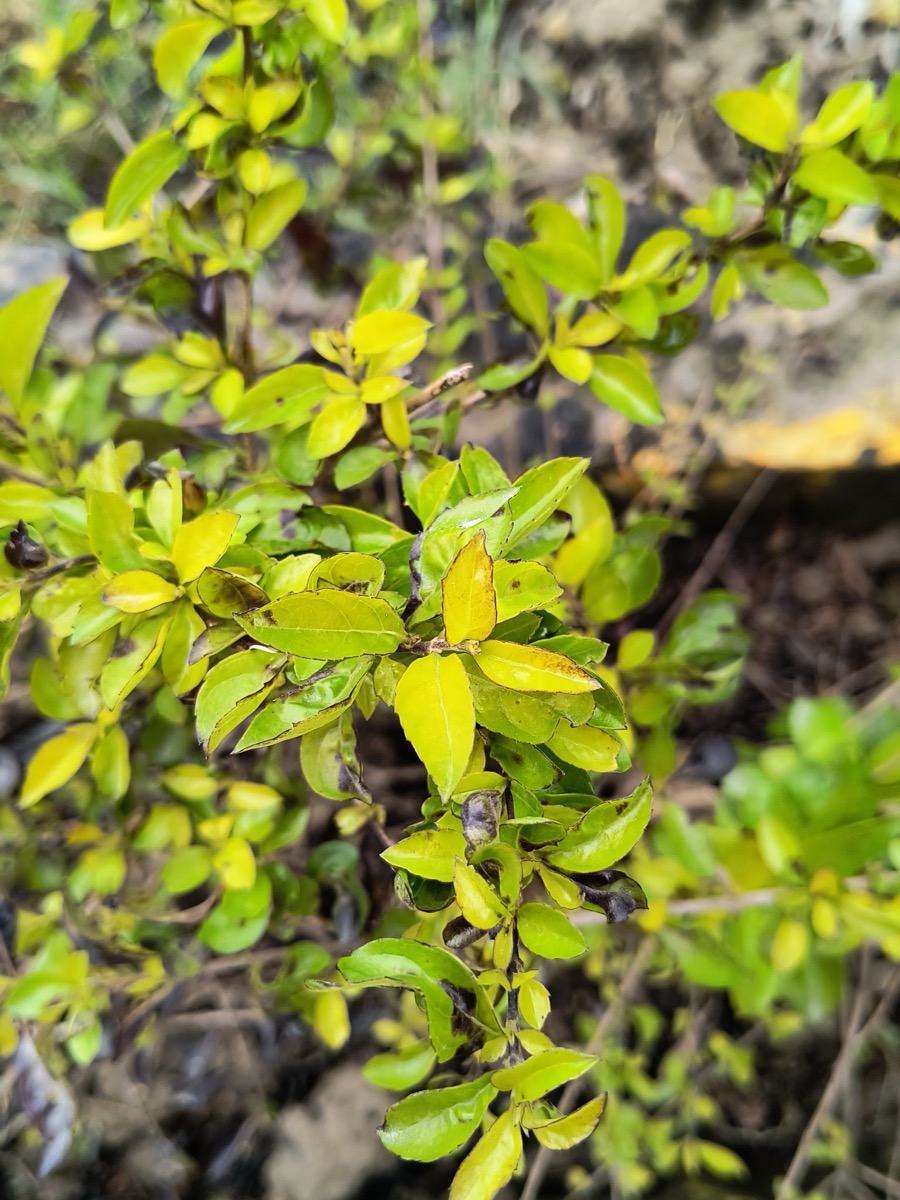
Yellowing leaves get blamed on "not enough light" or "too much water" more often than anything else, but a huge share of discolored, spotted, or curling leaves are actually a nutrient problem — either a deficiency or, just as often, an excess. The single most useful trick for diagnosing which nutrient is involved is to look at where on the plant the symptom shows up first, not just what it looks like.
Mobile vs. Immobile Nutrients: The Key Diagnostic Rule
Some nutrients can be moved by the plant from older leaves to new growth when supply is short; others can't. That single fact explains most of what you're looking at:
- Mobile nutrients (nitrogen, phosphorus, potassium, magnesium) — when these run short, the plant pulls them from older, lower leaves to feed new growth. Symptoms show up on the bottom/older leaves first.
- Immobile nutrients (calcium, iron, sulfur, manganese, zinc) — the plant can't relocate these once they're used, so deficiencies show up on the newest growth first, at the top of the plant.
Before you reach for any chart, check that one detail — top of the plant or bottom of the plant — and you've already cut the list of likely suspects in half.
Quick Reference Chart
| Symptom | Where it shows first | Likely nutrient |
|---|---|---|
| Overall pale, uniform yellowing, starting at the base | Older/lower leaves | Nitrogen |
| Yellowing between green veins, veins stay dark green | Newer/upper leaves | Iron or manganese |
| Yellow or brown leaf edges, healthy center | Older/lower leaves | Potassium |
| Pale, faded green with veins slightly darker | Older/lower leaves | Magnesium |
| Dark purple or reddish stems and leaf undersides | Older/lower leaves | Phosphorus |
| Distorted, curled new growth; stunted tips | Newer/upper leaves | Calcium |
| Small, thin, pale new leaves with short stems | Newer/upper leaves | Zinc |
Don't Rule Out Excess
Nutrient burn — too much fertilizer rather than too little — can mimic a deficiency. Classic signs are dark, crispy brown leaf tips and edges on otherwise dark green, healthy-looking leaves, usually appearing suddenly after a feeding rather than developing gradually. If you've been feeding on a regular schedule and see sudden tip burn, cut your fertilizer strength in half before assuming you need to add more.
Two Tools That Make This Much Easier
Guessing which nutrient is off is a lot harder than measuring it. If you're feeding regularly and still seeing symptoms, two inexpensive tools take most of the guesswork out:
- An Apera Instruments PH20 pH meter — pH that's too high or too low "locks out" certain nutrients even when they're present in the soil or solution, so the plant shows deficiency symptoms despite adequate feeding. Most houseplants and vegetables want a soil pH in the 6.0-7.0 range; hydroponic setups typically run slightly lower, around 5.5-6.5. It holds its calibration for weeks, which matters since a meter you have to recalibrate constantly is a meter people stop using.
- An Apera Instruments EC20 meter — confirms whether your nutrient solution is actually as strong (or weak) as you think it is, rather than relying on the measuring cup and hoping.
Fixing It Once You Know
For most general deficiencies, Dyna-Gro Foliage-Pro 9-3-6 applied at half the label strength, then repeated at the normal interval, corrects the problem within a week or two without the risk of overcorrecting — it's a complete formula with all the micronutrients as well as the core NPK, and it skips the urea some cheaper fertilizers use, which is gentler on sensitive plants. Calcium and magnesium deficiencies are the exception — they're common in coco coir and hydroponic setups specifically, since coco naturally binds calcium and magnesium and makes them less available to the roots. A dedicated General Hydroponics CALiMAGic added to your regular feeding schedule solves this far more reliably than a generic all-purpose fertilizer — it's become close to a default recommendation in the hydroponic community specifically for preventing the tip burn and blossom end rot that cal-mag shortages cause.
Give it time before changing course again: nutrient corrections aren't instant. New growth typically looks normal within a week or two of correcting the problem, but leaves that are already yellowed or spotted usually don't recover their color — the plant's next round of growth is where you'll actually see the fix.
When It's Not a Nutrient Problem At All
Before treating for a deficiency, rule out the two things most often mistaken for one: overwatering (which causes yellowing by suffocating roots, not by starving the plant of nutrients) and insufficient light (which causes pale, weak, stretched growth rather than the specific patterns above). If your watering and light are already dialed in and the symptom pattern matches the chart, a nutrient issue is the most likely explanation.
Frequently Asked Questions
How can I tell if yellow leaves are a nutrient problem or overwatering?
Check the pattern and location first. Overwatering tends to cause overall soft, yellow, wilting leaves regardless of position; true nutrient deficiencies follow a specific top-of-plant or bottom-of-plant pattern depending on which nutrient is short.
Why do some deficiencies show up on old leaves and others on new leaves?
Mobile nutrients (nitrogen, phosphorus, potassium, magnesium) can be pulled from older leaves to feed new growth, so symptoms appear on lower leaves first. Immobile nutrients (calcium, iron, sulfur) can't be relocated, so symptoms hit new growth first.
Can too much fertilizer cause the same symptoms as a deficiency?
Yes — nutrient burn from overfeeding often shows up as sudden, dark, crispy leaf tips on otherwise healthy-looking leaves. If symptoms appear right after a feeding, cut fertilizer strength in half before adding more.
How long does it take for a plant to recover from a nutrient deficiency?
New growth typically looks normal within a week or two of correcting the problem, but leaves that are already yellowed or spotted usually won't regain their color — recovery shows up in the next round of growth.
Why are calcium and magnesium deficiencies so common in coco coir and hydroponics?
Coco coir naturally binds calcium and magnesium, making them less available to roots even when they're present in your feeding solution. A dedicated cal-mag supplement solves this more reliably than a generic fertilizer.