
Common Indoor Gardening Mistakes
Last updated: July 11, 2026
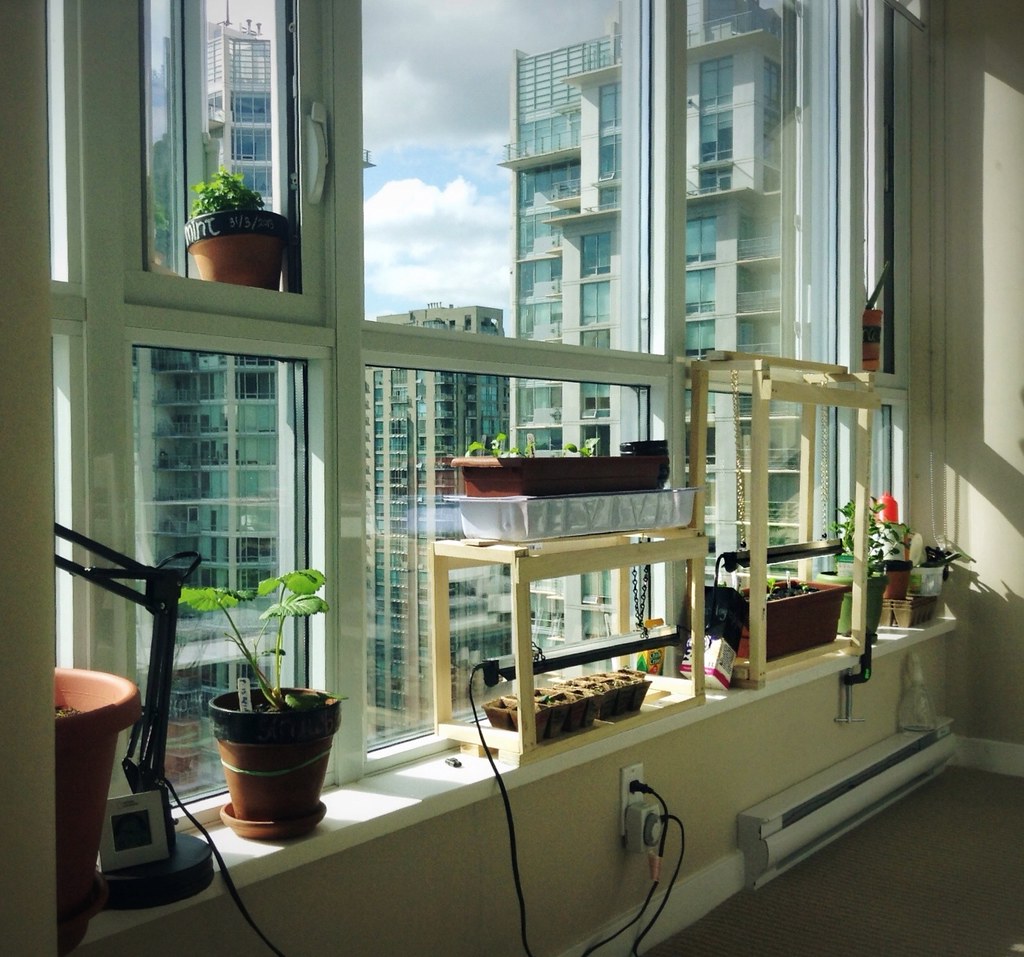
Photo by missellyrh, licensed under CC BY 2.0
Most indoor growing problems trace back to a small handful of repeat offenders. If a plant is struggling and you're not sure why, it's worth checking this list before assuming it's something exotic — the boring, common causes are almost always the actual culprit.
1. Overwatering
This is, by a wide margin, the most common way beginners kill indoor plants. Roots need oxygen as much as they need water, and soil that stays constantly saturated suffocates roots and invites rot. Symptoms of overwatering — yellowing leaves, a mushy stem base, wilting despite wet soil — look confusingly similar to underwatering, which leads people to add even more water and make things worse.
Fix: only water when the top inch or two of soil is dry, and always use pots with drainage holes. An XLUX T10 soil moisture meter removes the guesswork if you've had trouble telling wet from dry soil by touch — it's a five-dollar, no-battery tool, so there's not much reason not to have one once overwatering has bitten you once.
2. Poor Airflow
A sealed grow tent or a crowded windowsill with no air movement creates stagnant air, which encourages mold, mildew, and weak, spindly stems (plants develop stronger stems in response to gentle, constant movement — a phenomenon called thigmomorphogenesis). Poor airflow also lets heat and humidity build up unevenly, creating hot spots and damp pockets.
Fix: a small Hurricane Classic 6-inch clip fan running continuously on low, positioned to gently move air across the canopy rather than blast directly at it, solves this for most small to mid-size setups — you don't need a powerful fan for this job, just constant gentle movement.
3. Light Too Close (or Too Far)
Mounting a light too close to the canopy causes light burn — bleached, crispy patches on the leaves closest to the fixture. Too far away, and plants stretch toward the light, producing tall, weak, leggy growth with wide gaps between leaves. Every light fixture has a manufacturer-recommended hanging height and coverage area; ignoring it in either direction causes one of these two problems.
Fix: check the manufacturer's recommended distance for your specific light and adjust height as plants grow taller, rather than setting it once and forgetting it.
4. Ignoring Temperature and Humidity
Most indoor plants have a fairly forgiving but real comfort range — roughly 65-80°F (18-27°C) for the vast majority of herbs, vegetables, and houseplants, with humidity preferences that vary more by species. Growers who never actually check these numbers are flying blind; a space can feel comfortable to a person while still being too hot, too dry, or too humid for the plants inside a sealed tent.
Fix: a ThermoPro TP50 digital thermometer/hygrometer placed at canopy height tells you exactly what's happening instead of relying on how the room feels at the doorway — it's a basic, inexpensive unit, but that's really all this particular job needs.
5. Skipping pH Checks (Hydroponic and Soil Alike)
In hydroponic systems, pH that drifts outside the ideal range locks out nutrients even when plenty of nutrient is in the reservoir — the plant simply can't absorb it. In soil, extreme pH has a similar, slower effect. This is an invisible problem: the plant looks nutrient-deficient, growers respond by adding more nutrients, and nothing improves because the actual issue is absorption, not supply.
Fix: an Apera Instruments PH20 pH meter catches this in minutes and is one of the highest-value cheap tools in any indoor growing setup, hydroponic or soil-based — it holds calibration well enough that you're not fighting the tool itself every time you check.
6. Starting Too Big
A brand-new grower who buys a large tent, a powerful light, a full hydroponic system, and a dozen plants all at once is taking on far more variables to troubleshoot simultaneously than someone who starts with two or three pots. When something goes wrong in a big first setup, it's much harder to isolate which variable caused it.
Fix: start smaller than feels necessary. Learn watering, light, and airflow basics on a small scale before scaling up equipment or plant count.
7. Reusing Old Soil or Growing Medium Without Refreshing It
Soil that's already grown one crop is depleted of nutrients and may be harboring pests or fungal spores from the previous grow. Reusing it without amending or replacing it is a common way to get mysteriously weak growth in a second planting that had no obvious cause.
Fix: refresh with new Miracle-Gro Indoor Potting Mix between plantings, or mix in fresh compost/amendments if you're reusing a container — starting the next planting in a mix that hasn't already been picked over by a previous crop's roots removes one more variable if something goes wrong.
The Pattern Behind All of These
Almost every item on this list comes down to the same root cause: not measuring something that's easy to measure. Water, light distance, temperature, humidity, and pH are all things a cheap meter or a moment of attention can tell you directly, instead of guessing from how a plant looks after the problem has already set in. The fastest way to level up as an indoor grower isn't buying more equipment — it's checking the numbers you already have access to.
Frequently Asked Questions
What's the single most common indoor gardening mistake?
Overwatering, by a wide margin. Roots need oxygen as much as water, and soil that stays constantly saturated suffocates roots and invites rot.
How can I tell the difference between overwatering and underwatering?
Check the soil directly rather than guessing from the leaves — both problems can cause yellowing and wilting. If the top inch or two of soil is still damp, the plant almost certainly doesn't need water.
Why do my plants keep stretching and getting leggy?
Leggy growth is a light problem — the light is either too far away or too weak for that plant. Check your fixture's manufacturer-recommended hanging distance and coverage area.
Do I need to check pH even if I'm growing in soil, not hydroponics?
Yes, just less urgently. Soil buffers pH swings somewhat, but extreme pH still locks out nutrients over time, mimicking a deficiency even when nutrients are present.
Is it better to start with a small setup or go big right away?
Start smaller than feels necessary. A big first setup gives you more variables to troubleshoot at once, which makes it much harder to isolate what actually went wrong when something does.