
LED vs. HPS Grow Lights, Compared
Last updated: July 11, 2026
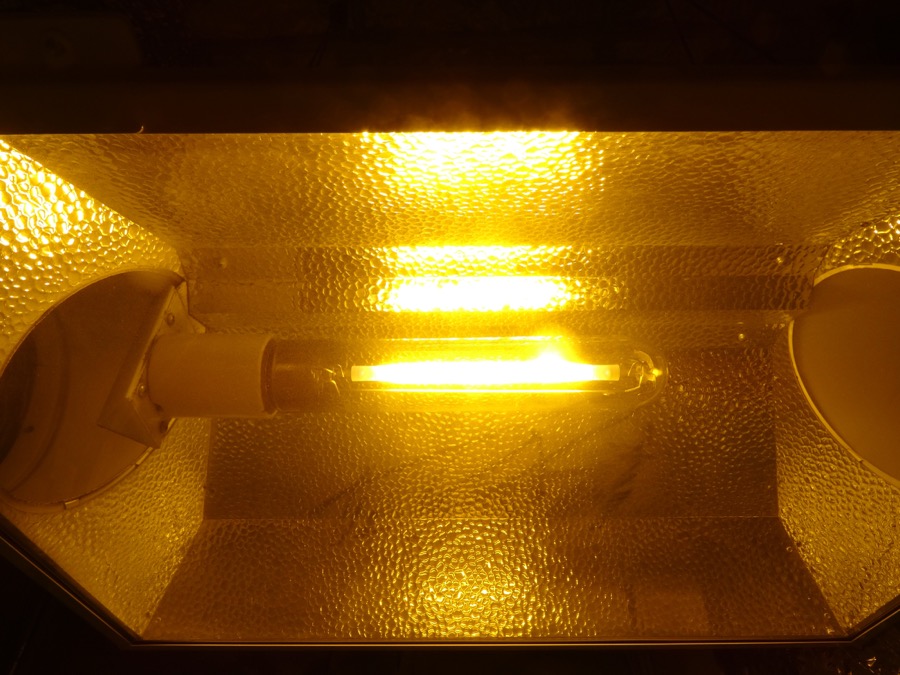
Photo by Plantlady223, licensed under CC BY-SA 4.0
For decades, high pressure sodium (HPS) lights were the default choice for serious indoor growing, and for good reason — they're cheap to buy and produce a lot of usable light. LED grow lights have since caught up and, for most home growers, overtaken HPS as the better all-around option. But "better" depends on what you're optimizing for, so here's a plain comparison across the factors that actually matter day to day.
Quick Comparison
| LED | HPS | |
|---|---|---|
| Upfront cost | Higher | Lower |
| Running cost (electricity) | Lower | Higher |
| Heat output | Low | High |
| Typical lifespan | 5+ years (tens of thousands of hours) | 12-18 months before output drops |
| Spectrum | Broad, full-spectrum | Yellow-orange weighted |
| Noise | Silent | Ballast hum possible |
| Best for | Most home growers, long-term cost | Tight upfront budget |
Upfront Cost
HPS still wins here. A basic HPS fixture with a ballast and bulb is often cheaper than a comparable LED, especially at the low end of the market. If your budget is the primary constraint and you don't mind the tradeoffs below, an HPS kit can get you growing for less money on day one.
Electricity Cost Over Time
LED wins convincingly here, and it's not close. Modern LED fixtures convert a much higher percentage of the electricity they use into usable light rather than heat, which means lower wattage for comparable light output. Over a year of daily use, the difference in your electricity bill between an LED and an equivalent-output HPS setup is often enough to offset the LED's higher purchase price within the first one to two growing seasons.
Heat Output
This is the practical, day-to-day difference most beginners notice first. HPS bulbs run hot — hot enough that you need real clearance between the bulb and your plant canopy, plus a solid exhaust fan to keep tent temperatures in a reasonable range. LEDs run much cooler, which means:
- You can typically mount the light closer to your plants without burning them.
- Your ventilation and cooling setup can be simpler — sometimes just a small clip fan for air circulation rather than a full inline exhaust system.
- Tent temperature swings are smaller and easier to manage, especially in warm climates or small spaces.
Light Spectrum
HPS light is heavily weighted toward the yellow-orange part of the spectrum, which works well but isn't a full match for what plants use across their whole life cycle. Quality LED fixtures, especially full-spectrum "quantum board" style panels, are built to output a broader spread of wavelengths closer to natural daylight, which tends to support healthier, more balanced growth from seedling through mature plant. If you've been eyeing a Spider Farmer SF-4000 quantum board light, this broader spectrum is the main reason growers switch — it's a popular pick for a 4x4 footprint specifically because it uses genuine Samsung diodes and a bar-style layout that spreads light more evenly to the corners of the tent than a single dense panel at the same wattage, which matters if you want the whole canopy to grow evenly instead of just the plants directly underneath.
Lifespan and Maintenance
HPS bulbs degrade in light output well before they actually burn out, and manufacturers generally recommend replacing them every 12 to 18 months of regular use even though the bulb still technically "works." LED fixtures commonly run for tens of thousands of hours — often 5+ years of daily use — before any noticeable drop in output. There's also no bulb to swap, no ballast to fail, and no glass to worry about breaking.
Noise and Bulk
HPS setups need a separate ballast (the box that regulates power to the bulb), which adds bulk, weight, and sometimes an audible hum. LED fixtures are typically a single flat panel with a built-in driver, mount flush to the tent's top bars, and run silently.
So Which Should You Buy?
For almost every home grower working in a tent-sized space, LED is the better long-term choice: lower running cost, less heat to manage, a longer usable lifespan, and a broader spectrum. The main scenario where HPS still makes sense is a very tight upfront budget where you need light output immediately and can tolerate the added heat, higher power bills, and bulb replacements down the line.
If you're buying your first light: pair a Spider Farmer SF-4000 LED grow light with a BN-LINK 7-day digital outlet timer so it runs on a consistent daily schedule, and a Hurricane Classic clip fan for gentle air circulation — LEDs run cool enough that you often don't need a full inline exhaust system for a small personal setup, so a basic clip fan is genuinely enough rather than a compromise.
A Quick Sizing Note
Whichever light you choose, check its recommended coverage area against your tent size (most manufacturers list this directly). A light rated for a 2x2 ft footprint will underperform in a 4x4 tent — you'll get healthy plants directly under the light and weak, stretchy growth toward the edges. When in doubt, size the light to match your tent, not the other way around.
Frequently Asked Questions
Is LED or HPS cheaper overall?
HPS is cheaper upfront, but LED is almost always cheaper over the long run — lower electricity bills typically offset LED's higher purchase price within one to two growing seasons of daily use.
Do LED grow lights need extra cooling?
Usually not. LEDs run much cooler than HPS, so many small tent setups get by with just a clip fan for air circulation instead of a full inline exhaust system.
How close can I put an LED light to my plants?
It depends on the fixture's wattage and the manufacturer's recommended hanging distance — always check that number specifically, since LEDs running cooler doesn't mean distance stops mattering.
How long do HPS bulbs actually last?
HPS bulbs technically keep working for a long time, but their light output degrades noticeably before they burn out, so manufacturers recommend replacing them every 12 to 18 months of regular use.
Is HPS ever still the better choice?
Mainly if your budget is genuinely tight and you need light output on day one — HPS kits are often cheaper to buy, even though they cost more to run and generate more heat over time.