
Houseplant Care Fundamentals
Last updated: July 11, 2026
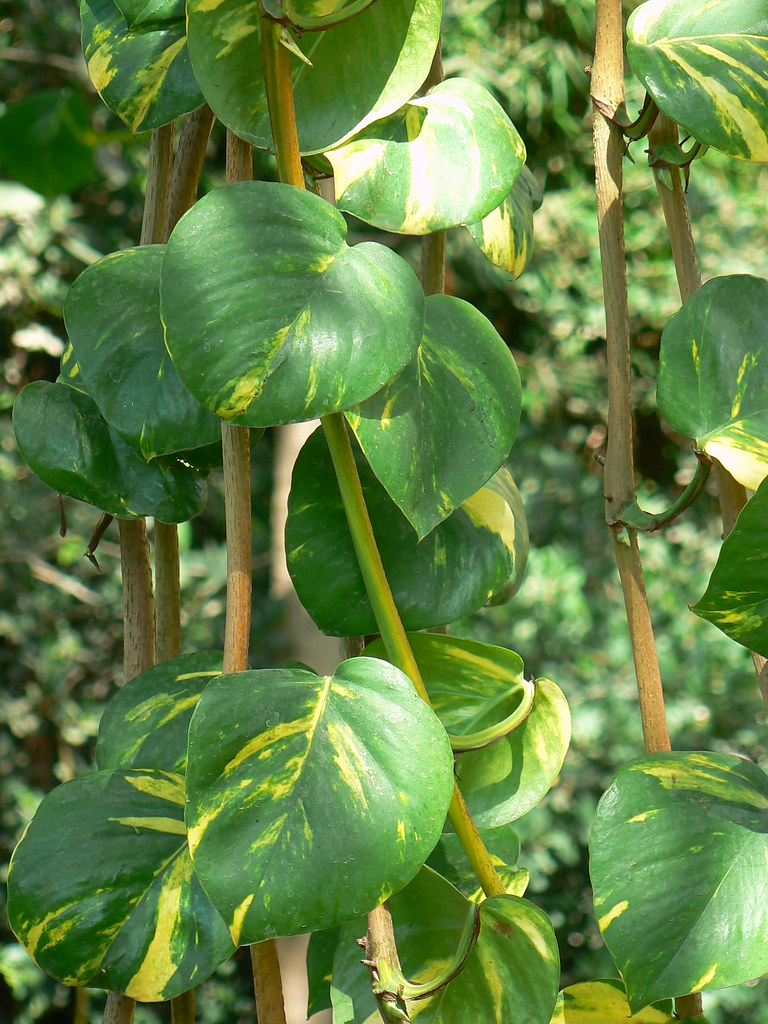
Photo by Dinesh Valke, licensed under CC BY-SA 2.0
Houseplant advice online tends to get weirdly specific and species-by-species very quickly, which is useful once you have a particular plant with a particular problem, but not very helpful when you're just starting out. Underneath all the species-specific detail, though, almost every houseplant responds to the same four fundamentals: light, water, soil, and humidity. Get those roughly right and most common houseplants take care of themselves.
Light: Match the Plant to the Window, Not the Other Way Around
"Bright indirect light" is the most common care instruction on plant tags, and it trips people up because it's not obvious what it means in a real room. Roughly:
- Direct light — sun rays hitting the leaves directly, usually within a couple feet of a south- or west-facing window.
- Bright indirect light — a room that's clearly sunlit but the plant itself isn't in the direct sun beam, often a few feet back from a bright window or near an east-facing window.
- Low light — a room with a window, but the plant is far from it or the window itself is small or north-facing.
Rather than trying to force a plant that wants bright indirect light to survive in a genuinely dim corner, it's far easier to either move the plant closer to a suitable window or accept a small supplemental grow light. Many popular "low light tolerant" houseplants (pothos, snake plant, ZZ plant) are better described as low-light tolerant, not low-light thriving — they'll survive in dim spots but grow noticeably faster and fuller with more light.
Water: The Finger Test Beats a Fixed Schedule
Watering on a fixed schedule ("every Sunday") ignores that a plant's water needs change with season, light, humidity, and pot size. A far more reliable method: stick a finger about two inches into the soil before watering. If it's still moist, wait. If it's dry, water thoroughly until it drains from the bottom of the pot, then empty any excess from the saucer so roots aren't sitting in standing water.
If you consistently forget to check, or want a more precise reading than a finger provides, an XLUX T10 soil moisture meter gives you a direct color-coded reading instead of a guess, with no batteries or calibration involved. For people who routinely underwater because life gets busy, a Gardenix Decor self-watering planter with a built-in reservoir can stretch watering intervals out to a couple of weeks and removes a lot of the guesswork, though it's really only worth it for plants you'd otherwise forget entirely — for anything you check regularly, a normal pot and the finger test work just as well.
Soil: Drainage Is the Whole Point
Almost every common houseplant problem traced back to "soil" is really a drainage problem. Dense, compacted soil (or garden soil used in a pot, which is a common mistake) holds water against roots for too long, encouraging rot. A good Miracle-Gro Indoor Potting Mix — lightweight, already blended with perlite for aeration, and formulated to be less inviting to fungus gnats than mixes with bark or compost — combined with a pot that actually has a drainage hole solves most of this automatically. If a favorite pot doesn't have drainage, it's usually better used as a decorative outer cover for a plastic nursery pot with drainage, rather than planting directly into it.
Humidity: Matters More for Some Plants Than Others
Plants native to tropical understories (many ferns, calatheas, and similar foliage plants) evolved in consistently humid air and struggle in the dry conditions common in heated or air-conditioned homes — typically showing crispy leaf edges or browning tips. Plants native to arid regions (succulents, cacti, snake plants) are the opposite and actually prefer drier air. Knowing which category a given plant falls into explains a lot of "why does this keep looking unhappy" situations that aren't about water or light at all.
For humidity-loving plants in dry rooms, grouping plants together (they raise local humidity for each other), a pebble tray with water beneath the pot, or a small humidifier are all reasonable fixes. A ThermoPro TP50 hygrometer tells you the actual humidity percentage in a room instead of guessing from how the air feels — it's an inexpensive, basic unit, but for checking one room's humidity level that's really all you need.
Reading the Warning Signs
| Symptom | Likely cause |
|---|---|
| Yellow, soft, or mushy leaves | Overwatering / poor drainage |
| Crispy brown leaf tips or edges | Low humidity or inconsistent watering |
| Leggy growth, leaning hard toward a window | Not enough light |
| Bleached or scorched patches on leaves | Direct sun or grow light too close/intense for that species |
| Slow growth, small new leaves | Needs repotting, or lacking nutrients/light |
Repotting: Less Often Than People Assume
Most houseplants only need repotting every 1-2 years, and doing it too often (or jumping to a dramatically larger pot) can cause more stress than it prevents. A good sign it's time: roots visibly circling the surface of the soil or growing out of the drainage hole, or water running straight through the pot without the soil absorbing it (a sign the roots have displaced most of the actual soil).
Pruning and General Maintenance
Trimming yellowed or dead leaves keeps a plant looking healthy and redirects energy away from dying growth. A small pair of Fiskars Micro-Tip pruning snips makes clean cuts, which heal faster and look tidier than leaves torn off by hand — the small blade tips are also easier to work with in a crowded pot than full-size shears.
The Real Takeaway
You don't need to memorize care instructions for every species you own. Learn to read light levels in your own home, check soil moisture before watering instead of on a fixed schedule, use a well-draining mix and pot, and pay attention to which plants want humid air versus dry air. Almost every specific care question you'll run into is really one of these four fundamentals in disguise.
Frequently Asked Questions
How do I know if my houseplant is getting enough light?
Compare your room to the plant's actual light category (direct, bright indirect, or low light) rather than guessing — many "low light tolerant" plants like pothos and snake plant survive in dim spots but grow noticeably fuller with more light.
How often should I water my houseplants?
Skip the fixed schedule. Stick a finger about two inches into the soil before watering — if it's still moist, wait; if it's dry, water thoroughly and let it drain.
How often do houseplants need repotting?
Most houseplants only need repotting every 1-2 years. Repotting too often, or jumping to a dramatically larger pot, can stress a plant more than it helps.
Why are my houseplant's leaf tips turning brown and crispy?
Crispy brown tips are usually low humidity or inconsistent watering, not overwatering. Grouping plants together, a pebble tray, or a small humidifier all help for humidity-loving species.
Does every houseplant need high humidity?
No — plants from arid regions (succulents, cacti, snake plants) actually prefer drier air. Match the plant's native habitat to its humidity needs rather than assuming all houseplants want the same conditions.